Invitation Ornament Design: Elevate Your Creative Projects
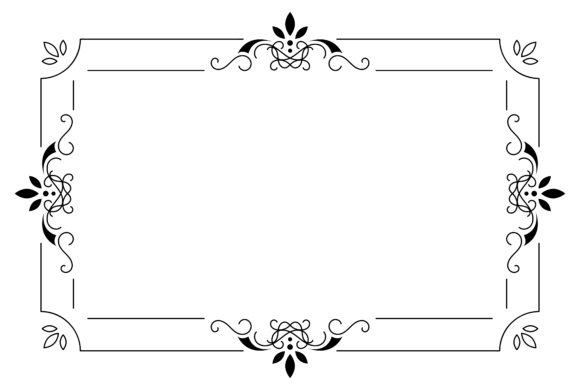
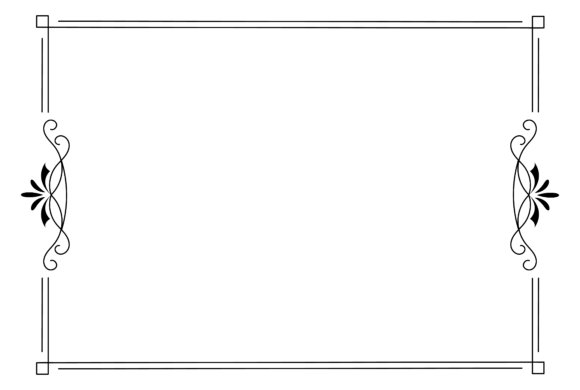
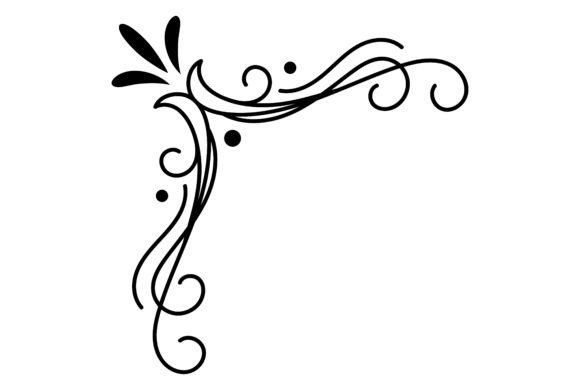
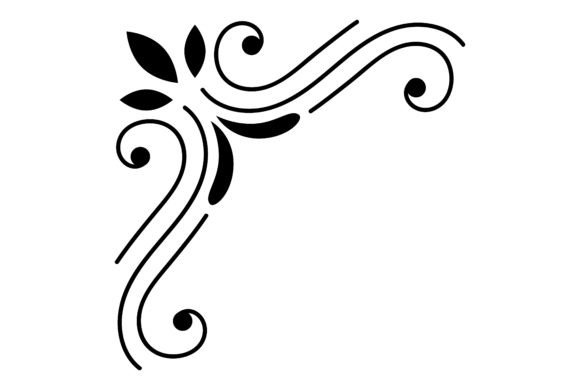
When you first encounter the Invitation Ornament Design, it’s less like seeing a font and more like discovering a piece of decorative art. This isn't your typical character set; it's a collection of intricate, hand-drawn ornamental vectors. The visual personality is one of elegance, detail, and a touch of timeless craftsmanship. Each flourish and swirl carries a sense of intention, perfect for projects that demand a premium, artisanal feel. The style leans into ornate, tribal-inspired patterns that feel both classic and versatile, avoiding overly trendy aesthetics in favor of enduring appeal.
Where This Ornamental Design Truly Shines
The strength of this asset lies in its adaptability across a surprising range of applications. Think beyond a single use case. As a creative font alternative for decorative elements, it’s a powerhouse for brand identity work. Imagine the corner flourishes on a luxury brand's stationery, the border of a high-end product label, or the subtle background texture on a website's hero section. For editorial design, these ornaments can frame chapter headings in a book or add sophisticated dividers in a magazine layout. Packaging design benefits immensely—a delicate swirl can elevate a simple box into something perceived as more valuable.
Digital creators will find it invaluable for social media graphics, adding instant professionalism to quote images or promotional posts. For those in print-on-demand, the high-resolution (4936x3319px at 300 dpi) files are perfect for greeting cards, invitation cards, and art prints. The included vector formats (SVG, EPS, AI) mean you can scale these elements to any size without quality loss, whether you're designing a tiny favicon or a large-format poster. It’s a genuine design asset for any toolkit.
Integrating Ornate Elements with Purpose
Using such detailed elements effectively requires a thoughtful approach. The key is balance. These ornaments are display pieces; they are meant to catch the eye, not to be used as body text. Pair them with a clean, highly readable sans serif font or a simple serif font for any accompanying text. This creates a strong visual hierarchy, where the ornamental design provides the flair and the primary typeface ensures clarity and readability.
Consider the font pairing as a conversation. The Invitation Ornament Design is the expressive, artistic statement, while your chosen text font is the clear, reliable narrator. Test combinations carefully. A modern, geometric sans serif can create a striking contemporary contrast, while a classic serif can enhance the traditional elegance. Always check how the ornament interacts with your text in terms of scale, color, and spacing. Does it distract or enhance? The goal is to improve audience engagement through beauty, not create visual clutter.
Practical Selection and Implementation Guide
Before committing, evaluate if this ornamental style aligns with your project's core message. It’s ideal for themes of elegance, tradition, nature (floral designs are a highlight), celebration, and craftsmanship. It may feel out of place in contexts demanding ultra-minimalist or industrial aesthetics. Review all the included file types: the SVG and EPS for vector editing in Illustrator or GIMP, the PNG files with transparency for easy layering in Photoshop, and the JPG for straightforward use. This versatility is a major advantage for web design, print projects, and software compatibility.
For commercial use, which is essential for entrepreneurs, marketers, and small business owners, the licensing is straightforward. These files are typically provided for both personal and commercial projects, but always double-check the specific license terms from the shop. This is crucial for logo design (if the ornament is a central part of the mark), product packaging, and any work you sell. Using properly licensed premium assets protects your business and respects the creator's work.
Ultimately, the Invitation Ornament Design is more than clipart; it's a strategic tool for adding depth, personality, and a handcrafted touch to your visual communication. Used with intention, it can significantly elevate the perceived quality and professionalism of your work, making your designs—and by extension, your brand—more memorable and engaging.